Artificial Roofing Systems Designed for Midwest Freeze-Thaw Cycles
Anyone who has spent a couple of winters months caring for homes in the Midwest finds out the very same lesson fast: roof coverings stop working in little ways before they fail in remarkable ones. A crack that looked safe in October can open up by February. A blinking information that dropped water all springtime can turn into an ice trap after one hefty snow and a few sunny afternoons. In position like Chicago and the western residential areas, where roof coverings might see sleet, drifting snow, rapid thaws, and subzero evenings within the very same week, material choice matters much beyond aesthetic appeal.
That is where artificial roof have actually gained significant interest. Not due to the fact that they assure magic, and not due to the fact that every product marketed as artificial carries out the very same, but due to the fact that the better systems are engineered for movement, moisture resistance, impact tolerance, and lasting dimensional stability. In a climate specified by freeze-thaw biking, those traits are not high-ends. They are standard survival characteristics.
For house owners contrasting premium outside upgrades, especially those preparing a lengthy ownership perspective, artificial roof coverings typically being in an intriguing happy medium. They can supply the visual depth of slate or cedar, commonly with much less weight and more flexible performance in serious climate. For builders, remodelers, and any type of synthetic roofing contractor working in the Midwest, the genuine question is not whether artificial materials can work below. It is which systems are built all right, and set up very carefully enough, to deal with duplicated thermal stress year after year.
Why freeze-thaw cycles are so tough on a roof
A Midwest roofing system does not merely splash, then dry. It gets wet, ices up, broadens, defrosts, drains, refreezes, and repeats that pattern over and over. Water works its way right into small voids around bolts, side laps, penetrations, and flashing transitions. When temperatures drop, that entraped moisture expands. Also an extremely small amount of growth can broaden tiny openings, loosen up sides, or area tension on brittle components.
The issue grows when snow cover lingers. A dark roofing system surface can heat sufficient under winter season sun to thaw the lower layer of snow while the eaves and gutters stay chilly. Water runs downslope, gets to the colder edge, and ices up once more. That is the classic arrangement for ice dams. As soon as that dam forms, meltwater can back up under the roofing system covering. If the system lacks a properly mounted underlayment or if the details at eaves and valleys were dealt with casually, indoor leakages frequently follow.
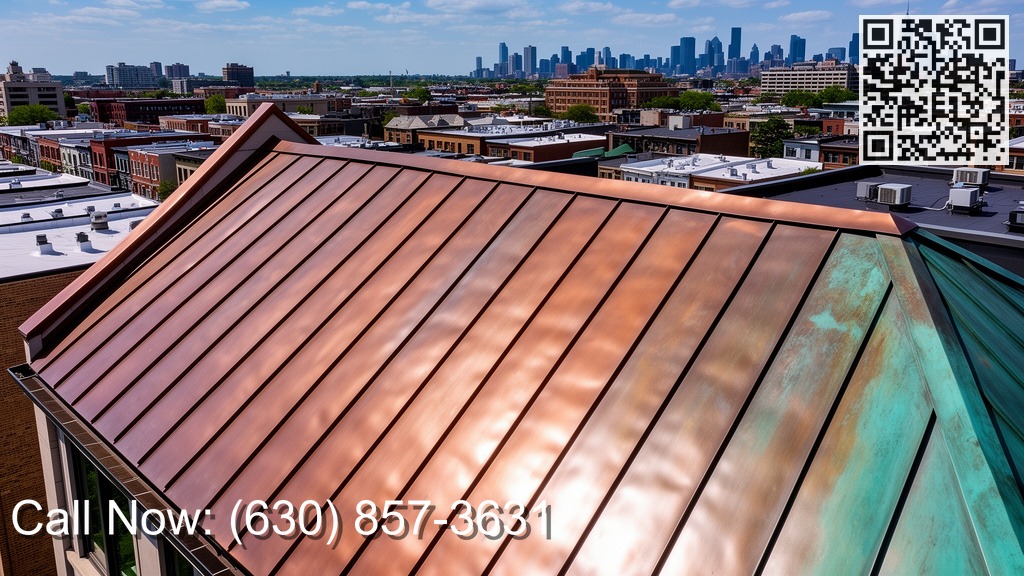
Traditional roof covering materials each have their own vulnerabilities in this atmosphere. All-natural cedar can take in moisture and climate unevenly. Some concrete or clay items take care of chilly well however bring weight and installment restrictions. Natural slate is beautiful and sturdy, yet it is fragile and expensive to fix if individual items fracture from impact or foot traffic. Asphalt roof shingles remain usual, though lower-end items might shed granules and flexibility earlier under seasonal stress.
Architectural synthetic roofing got in that conversation by using a different equilibrium of homes. The better products are designed to withstand dampness absorption, stay secure under temperature swings, and handle effect without the very same brittleness discovered in some all-natural products. That does not suggest every synthetic roofing is equal. It implies the group consists of strong alternatives when matched to the environment and installed with discipline.
What makes a synthetic roofing system ideal for Midwest weather
People commonly focus on the visible shingle or floor tile, yet a roof covering succeeds as a system. The area material issues, of course, yet underlayment choice, ventilation method, fastening pattern, flashing design, and side describing commonly establish whether the roof really executes via fifteen or twenty freeze-thaw seasons.
The ideal synthetic roof for the Midwest normally share a few functional characteristics. They stand up to dampness uptake. They do not become excessively breakable in winter. They endure hail much better than lots of fragile alternatives. They likewise maintain their account and attaching honesty under high winds, which matter as much in Chicagoland as snow lots does. Winter tornados below hardly ever show up as a tidy, upright event. Wind-driven snow discovers weak points that a calm rainfall never ever would.
Material composition plays a large duty. Several costs artificial roof products are made from engineered polymers, recycled substances, or proprietary composite blends. Some are formed to imitate cedar shake, all-natural slate, or hand-split textures with shocking realism. That visual allure is one reason synthetic roof covering for luxury homes has actually come to be more usual in premium neighborhoods. The useful factor is that the best product can use lower upkeep and much less architectural concern than the natural product it imitates.
Weight is not a trivial concern. A lighter roof covering can reduce the demand for structural reinforcement during an artificial roofing replacement, especially on older homes. In historical neighborhoods around Chicago, that versatility can preserve layout intent without forcing significant framework job. A heavy roofing system can still be the best response sometimes, but lots of property synthetic roof items offer proprietors much more choices throughout remodel planning.
The Midwest information that separate a decent roofing from a resilient one
I have seen attractive roof coverings underperform due to the fact that the system was defined by pamphlet and installed by habit. Freeze-thaw environments reveal shortcuts promptly. A roofing professional can make almost any type of product look excellent on day one. Year five informs the actual story.
On synthetic roof installation tasks in north Illinois, the most important discussions often take place before the very first bundle is opened. Roofing pitch, water drainage patterns, attic room insulation, air flow pathways, gutter layout, smokeshaft conditions, and the quantity of tree cover all affect exactly how the roofing system will certainly behave in winter. A high roof covering might lose snow much more easily, however it may also dispose big sheets onto valleys, reduced roofing sections, and entrances. A low-slope transition location that looks small on plan illustrations can become the weak point of the whole assembly if the incorrect underlayment is used.
Ventilation is worthy of unique attention. Individuals often tend to reduce winter season roof covering efficiency to an easy material option, however lots of cold-weather leak patterns begin inside your home. Cozy, humid interior air leaving into the attic can increase roofing deck temperature levels, drive uneven snowmelt, and magnify ice dam formation. Also premium artificial roofing can not compensate for an attic room that is poorly shielded or improperly aired vent. The roofing system covering is just the top layer of a structure science problem.
Flashing work is another separating line. Around chimneys, dormers, skylights, and wall junctions, activity and water focus integrated. Synthetic roofing tiles may continue to be intact for years, however if the blinking sequence was improvisated, the setting up stays prone. In Chicago-area work, where winter season wind can push snow and meltwater side to side, the quality of metal information commonly matters as long as the area item itself.
Why artificial roofings interest Midwest homeowners
The allure is not just sturdiness. It is predictability. House owners would like to know what they are getting, what maintenance will appear like, and whether the look they spend for today will still check out as refined in 10 or fifteen years.
Premium synthetic roofing frequently answers that worry well. Great items hold shade continually, stand up to splitting, and avoid the random decay pattern that can influence all-natural organic products. On personalized homes, particularly those going for the appearance of slate or cedar without the same maintenance worry, synthetic roof for high-end homes uses style versatility that feels practical instead of compromised.
That is especially pertinent in areas where style lugs a solid aesthetic identity. In parts of Chicago, Oak Creek, Hinsdale, Naperville, and bordering areas, homeowners may desire a steep-pitch roofing that complements rock exteriors, copper accents, and very carefully made landscape strategies. A roof covering is not a history component on those homes. It is one of the leading visual surface areas. Building synthetic roof can supply the texture and shadow lines owners want, while still being practical for a climate that punishes fragile finishes.
For lots of households, the conversation ends up being even more simple during an artificial roof substitute. They have actually already lived through maintenance cycles on aging cedar, curling asphalt, or hail-damaged materials. They are not shopping for uniqueness. They are purchasing fewer surprises.
Chicago and the western suburban areas pose their very own challenges
When clients look for synthetic roofing Chicago or synthetic roof Naperville IL, they are typically not searching for a common nationwide answer. They would like to know exactly how an item acts right here, under local weather, neighborhood code assumptions, and neighborhood installation habits.
Chicagoland roofing systems take care of wide yearly temperature level swings, solid wind occasions, lake-influenced weather condition patterns in some areas, and freeze-thaw repeating that can endure every exposed information. Snow lots differ from tornado to tornado, yet the real issue is usually less regarding maximum weight and more about snow movement, refreezing at overhangs, and water monitoring throughout partial thaw periods.
An artificial professional roofer Chicagoland house owners can rely on need to have the ability to talk plainly concerning those conditions. That suggests reviewing ice and water barrier placement, air flow equilibrium, maker fastening demands, and practical expectations for service life. It likewise indicates recognizing when artificial is a solid fit and when one more system might make even more sense because of roofing system geometry, area requirements, or budget priorities.
Not every home benefits similarly from the very same account. Some artificial roof tiles imitate slate with a limited, crisp layout. Others simulate hand-split shake with much deeper structure and a lot more noticable watching. The best option depends upon the design, yet additionally on exactly how the profile handles drain and debris. A greatly textured roof under mature trees may hold more organic matter than a cleaner slate-style account. That is not always a bargain breaker, though it must be part of the conversation.
Installation high quality matters greater than marketing language
The expression synthetic roofing firm can explain businesses with extremely various degrees of experience. Some mount the category regularly and understand its nuances. Others include it to a pamphlet due to the fact that clients are asking for it, while still approaching it like basic asphalt. That gap appears promptly in trim job, design accuracy, accessory compatibility, and warranty compliance.
An experienced artificial professional roofer will typically start by confirming the producer's exact installation demands rather than presuming category-wide rules. Direct exposure lines, starter information, ridge treatment, bolt kind, spacing, and accepted underlayments can vary. In freeze-thaw conditions, those differences issue. A little discrepancy may not activate a prompt failing, however it can reduce the system's margin for error throughout extreme winters.
Good artificial roof covering installers likewise pay attention to staging and handling. Some products stay versatile in winter, others end up being less forgiving till temperature levels increase. Reducing methods may vary by period. Sealers that behave one way in moderate spring weather might perform differently throughout a late-fall installation window. These are normal area judgments, however they are exactly the kind of judgments that separate a tidy mount from a hurried one.
One of the extra revealing join a jobsite is whether the staff treats changes as custom job or repetitive job. Valleys, wall tie-ins, saddle flashings behind smokeshafts, snow retention preparation, and termination points at masonry all need thought. A roofing with numerous intersecting airplanes can consume much more labor in these areas than outdoors area. When proposals come in unusually low, this is commonly where corners get cut.
Cost, lifespan, and the worth question
Synthetic roof is rarely the lowest upfront rate in the property market. House owners comparing bids will generally see it over conventional asphalt and below some all-natural slate or high-end specialty assemblies, though real prices differs substantially by profile, roofing system intricacy, and labor market. In custom-made job, the form of the roof covering can influence expense as much as the product itself.
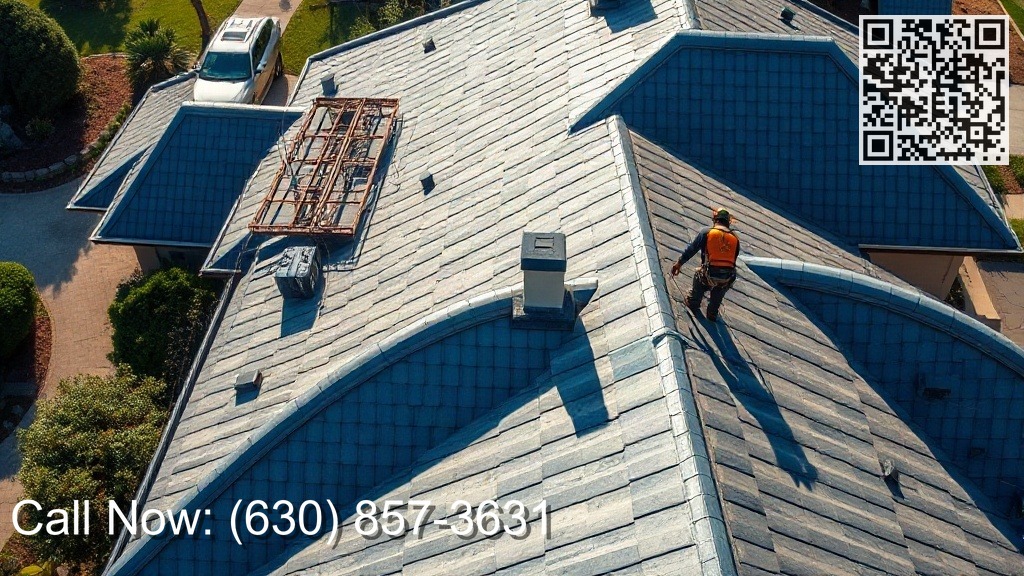
That claimed, worth needs to not be decreased to square-foot cost. Costs artificial roof covering usually makes good sense when owners represent anticipated maintenance, minimized fixing regularity, architectural savings as a result of lower weight, and the aesthetic longevity of the ended up roof covering. A material that costs more at installation however stays clear of repeating patchwork can be the much more cost-effective choice over time.
There is additionally the resale factor, though it must be reviewed truthfully. A lovely, well-installed roof covering can absolutely support customer confidence, specifically on unique homes, but not every market converts costs roof into dollar-for-dollar price. The more reputable return is usually much easier possession and lower likelihood of abrupt capital spending after tornados or extreme winters.
Where artificial roofing lusters, and where caution is wise
Synthetic roof covering executes especially well when property owners desire a refined architectural https://milodfre773.lumenforgex.com/posts/how-artificial-roof-covering-roofing-shingles-assist-prevent-water-invasion-and-roofing-system-degeneration look without the fragility, weight, or upkeep demands of typical materials. It is often a strong fit for steep-slope homes, customized develops, historic-style renovations, and high end property jobs where appearance matters alongside durability.
It is worthy of an extra careful testimonial when the roof covering has unusual low-slope locations, persistent air flow issues that have actually not been fixed, or budget restrictions that may attract a proprietor to buy a premium material while underfunding the setup information. A top-tier product on an endangered assembly is still a jeopardized roof.
There are additionally community and insurance coverage considerations. Some HOAs care deeply about visual credibility. Some insurers concentrate on impact ratings or fire categories. A great synthetic roof covering firm need to be prepared to go through both, due to the fact that a technically audio product still needs to please regional assumptions and documents realities.
How property owners must evaluate a proposed system
The most intelligent conversations specify. Rather than asking whether synthetic is good, ask just how this specific system will certainly be improved this precise residence. That shift alters the entire process. It moves the conversation away from sales language and towards area performance.
An effective quote evaluation must cover roofing deck problem, underlayment kind, side metals, ventilation corrections if needed, flashing replacements, valley building, snow and ice administration issues, and cleaning logistics. It needs to likewise resolve what stays, what obtains changed, and what concealed problems could change the scope once tear-off begins.
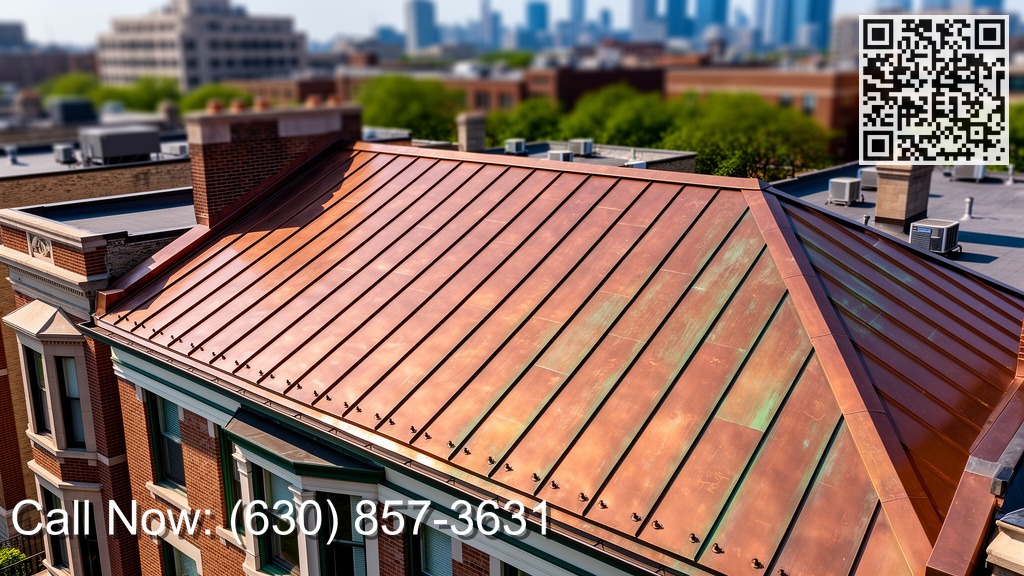
For homeowners picking among synthetic roofing system installers, it aids to contrast how plainly each contractor discusses these information. Unclear propositions frequently cause vague results. Particular propositions normally signal experience.
Here are a couple of concerns worth asking prior to authorizing an agreement:
- How will the system manage ice dam threat at eaves, valleys, and roof-to-wall intersections on this house?
- Which underlayment and flashing products are being paired with the artificial item, and why?
- Has the staff mounted this particular supplier's system before, or comparable products?
- What roofing system air flow enhancements, if any type of, are suggested in addition to the brand-new covering?
- How are intricate details like chimneys, skylights, and snow retention being addressed?
Those inquiries do not call for a homeowner to end up being a roofing contractor. They just force clarity. A qualified artificial roofer should be able to answer them without hedging.
What upkeep resembles after installation
One reason household artificial roofing has actually gotten grip is that upkeep is typically convenient. That does not indicate missing. Also long lasting materials need periodic evaluation, especially after hailstorm, high wind occasions, or wintertimes with heavy ice buildup.
In technique, proprietors must anticipate routine aesthetic checks from the ground, periodic expert inspections, and prompt attention to gutters, downspouts, and particles build-up. A synthetic roof covering might withstand moisture much better than cedar, yet if a valley stays loaded with leaves and ice, any roof system can be stressed.
The first few years after installation are also a good time to observe your home throughout actual weather condition occasions. View exactly how snow sheds. Notice where icicles form. Take notice of whether one roof covering aircraft thaws faster than an additional. Those hints typically reveal insulation or air flow imbalances before they become leak calls.
A reasonable care regular typically consists of the following:
- Keep seamless gutters and downspouts moving prior to wintertime starts.
- Schedule examinations after significant hail or wind storms.
- Remove particles from valleys and behind chimneys where it collects.
- Address attic insulation and ventilation concerns if irregular melting appears.
- Avoid unnecessary foot web traffic, particularly from untrained solution trades.
That last factor is underrated. Some roofing system damage occurs not from weather, however from satellite, vacation lighting, or mechanical job done without appropriate care.
The instance for experience over trend
Synthetic roofs are not a passing craze in the Midwest. The much better items have confirmed they belong in the discussion, particularly where property owners desire layout character without accepting the susceptabilities of larger or more breakable materials. Yet success still depends on self-control. Product top quality issues. System style issues. Installer experience matters just as much.
For homes in Chicago and the more comprehensive rural market, that means choosing an artificial roofing contractor that comprehends freeze-thaw behavior as an everyday truth, not a line in a pamphlet. It indicates choosing artificial roofing systems with a track record, not simply appealing samples. It suggests treating artificial roofing system replacement as a chance to boost the entire assembly, from underlayment and blinking to air flow and drainage.
When that occurs, the result is not simply a roofing that looks great from the road. It is a roofing that takes on January sunlight on snowpack, March refreezes, April wind-driven rain, and the consistent, unglamorous stress that specifies Midwest weather. That is the requirement that matters here. Not whether a roofing system looks remarkable on setup day, yet whether it maintains doing its job after years of freeze, thaw, and repeat.
When Quality Matters
Salvo Architectural Roofing Contractors
566 West 5th Ave Naperville, IL 60563
(630) 857-3631
 Ask ChatGPT
 Ask Grok
 Ask Perplexity
 Ask Claude
 Ask Google AI
 Ask You